
5s
+1
Submission successful!

|
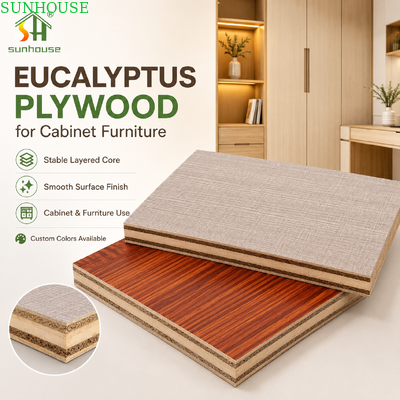
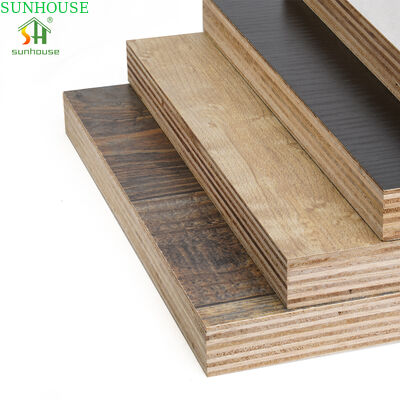
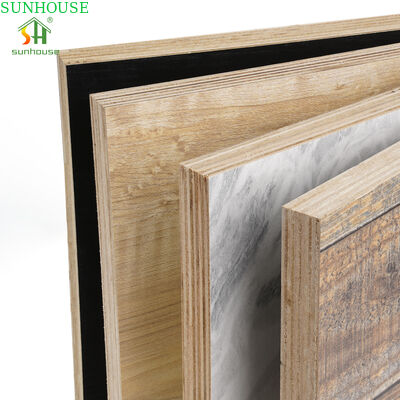
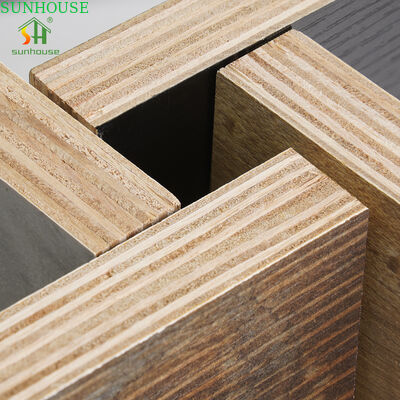
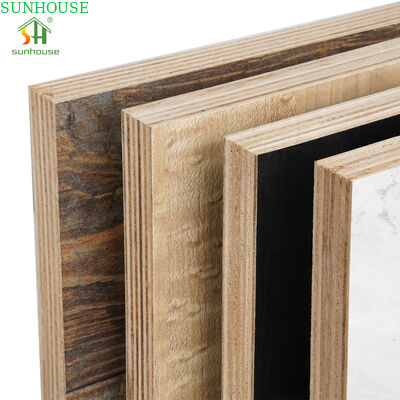
| Brand Name: | SUNHOUSE |
| Model Number: | ply-19 |
| MOQ: | 1000 |
| Payment Terms: | T/T |
A decorative surface can look attractive in a showroom sample, but furniture manufacturers need more than color and wood grain. The surface must also remain practical during handling, cutting, assembly, transportation and everyday use.
For bulk buyers, scratch resistance, wear performance, stain resistance and surface consistency are important factors when selecting melamine faced plywood for furniture production.
Buyers often approve melamine plywood based on color, wood grain and overall appearance. However, bulk furniture production introduces much more contact with the decorative surface.
Sheets are stacked, moved, cut, drilled, cleaned, edge banded and assembled before the finished product is delivered. A surface that marks easily may create visible defects long before the furniture reaches the final customer.
The right specification depends on whether the board will become cabinet interiors, wardrobes, shelving, work surfaces, shop furniture or other frequently handled components.
Decorative paper affects color, printed wood grain, visual clarity and the appearance of the finished board.
The impregnation process contributes to the final surface properties after hot pressing.
Temperature, pressure and pressing time influence how the decorative layer bonds and forms its final surface.
Matt, embossed and wood-textured finishes create different visual and tactile effects and may also show marks differently.
A stable and properly prepared plywood substrate helps support a more uniform decorative surface.
Large orders require stable surface quality from sheet to sheet, not only one well-selected sample.
| Performance | What It Means | Typical Buyer Concern |
|---|---|---|
| Scratch Resistance | Resistance to localized marks caused by contact with another object. | Scratches appearing during handling, assembly or daily furniture use. |
| Wear Resistance | Resistance to gradual surface deterioration from repeated rubbing or contact. | Frequently used furniture surfaces losing their original finish over time. |
| Stain Resistance | Ability to resist or clean common surface contaminants. | Marks remaining on cabinets, shelves or furniture after cleaning. |
| Impact Resistance | Resistance to local damage caused by knocks or dropped objects. | Chipping, denting or localized surface damage. |
Buyers should define which surface properties are important for the intended furniture application before requesting test requirements.
Provides a low-reflection appearance that is widely used for modern cabinets and furniture.
Combines decorative wood grain printing with a tactile surface for furniture requiring a more natural visual effect.
Adds a deeper surface texture and stronger tactile character for decorative furniture components.
| Production Stage | Potential Surface Risk | Buyer Focus |
|---|---|---|
| Sheet Handling | Surfaces rub against dust, debris or neighboring boards. | Protective handling and surface durability |
| Panel Cutting | Sliding panels across equipment can create marks. | Clean production surfaces and suitable protection |
| CNC Processing | Chips or debris may contact the decorative face. | Proper cleaning and panel handling |
| Edge Banding | Components pass repeatedly through machinery and guides. | Surface protection and stable finish |
| Furniture Assembly | Tools, hardware and stacked components can leave marks. | Handling procedures and surface resistance |
| Transportation | Finished panels may rub against packaging or other components. | Protective film, separators and export packing |
A visual sample is useful for confirming color and texture, but it does not provide all the information required for furniture production. Buyers can combine appearance approval with practical surface checks.
Surface performance should be described according to the actual material specification and any agreed test method.
Different furniture applications can require different levels of scratch, abrasion and stain performance. A cabinet interior panel and a frequently used commercial work surface do not necessarily require the same specification.
Professional product descriptions should avoid absolute claims. If a specific performance level is required, buyers should agree on the applicable test standard and acceptance criteria before placing the bulk order.
Buyers should select surface performance based on actual use, not simply choose the same melamine finish for every furniture component.
Surface color and wood grain are important for product appearance, but professional melamine plywood purchasing should also consider scratch resistance, wear performance, stain resistance and batch-to-batch consistency.
Before placing a bulk order, buyers should define the final application, required surface finish and expected performance. This makes it easier to compare quotations based on the same specification rather than simply comparing boards that look similar in a small sample.
Send us your required plywood thickness, core type, melamine color, surface texture, furniture application and expected surface performance. Suitable melamine faced plywood specifications can be matched for cabinets, wardrobes, shelving and furniture production.
Request Surface Samples & Quotation

 english
 français
 Deutsch
 Italiano
 Русский
 Español
 português
 Nederlandse
 ελληνικά
 日本語
日本語
 한국
한국
 العربية
 हिन्दी
 Türkçe
 indonesia
 tiếng Việt
 ไทย
ไทย
 বাংলা
বাংলা
 فارسی
فارسی
 polski
