
5s
+1
Submission successful!

|
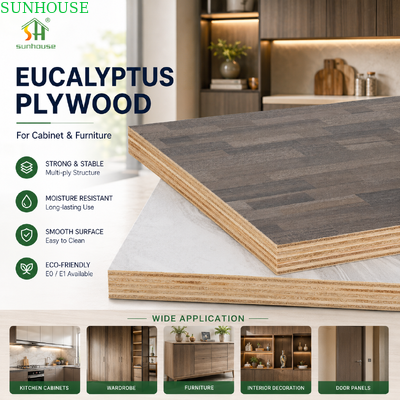
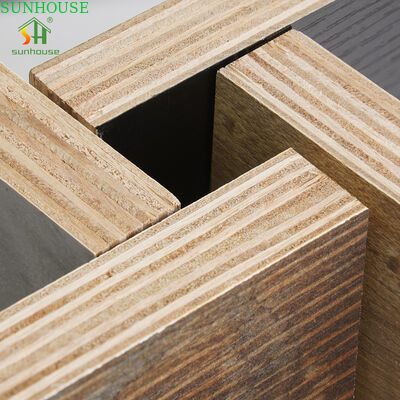
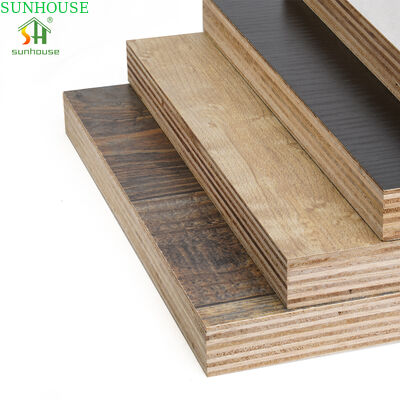
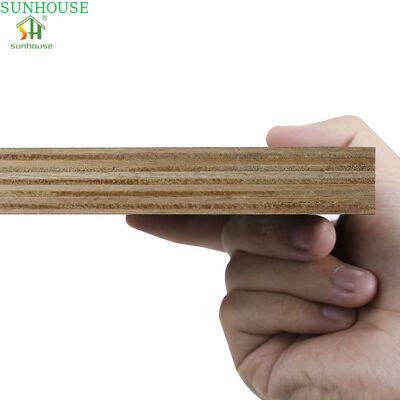
| Brand Name: | SUNHOUSE |
| Model Number: | ply-19 |
| MOQ: | 1000 |
| Payment Terms: | T/T |
A single melamine plywood sample may look perfect, but furniture manufacturers need the same color, texture and wood grain appearance across dozens, hundreds or even thousands of panels.
For cabinets, wardrobes and furniture projects, color variation between sheets or production batches can become highly visible after components are installed next to each other.
A slight shade difference may be difficult to notice when two full sheets are inspected separately. However, once cabinet doors, side panels, shelves or wardrobe components are installed next to each other, the difference can become much more obvious.
This is especially important for wood grain melamine, where buyers must control not only color but also grain pattern, texture, direction and overall visual consistency.
Color control should therefore be managed according to the final furniture appearance rather than checking only one board at a time.
Panels described under the same general color may appear slightly warmer, cooler, lighter or darker when compared side by side.
Differences in decorative paper design or production batches can create noticeable visual variation across furniture components.
Matt, embossed or wood-textured surfaces can look different when texture depth or pressing appearance is inconsistent.
Incorrect cutting orientation can cause neighboring furniture components to show wood grain running in different directions.
A repeat order produced months later may not perfectly match the original project if reference samples are not properly controlled.
Similar-looking designs can still use different decorative paper, texture or finish codes.
| Factor | What Can Change | Potential Result |
|---|---|---|
| Decorative Paper Batch | Printing tone and production variation | Slight color or wood grain differences |
| Resin Impregnation | Resin condition and paper appearance after pressing | Changes in depth, tone or visual clarity |
| Pressing Conditions | Temperature, pressure and processing conditions | Surface appearance may vary between production runs |
| Texture Plate | Embossing or surface pattern | Different reflection and visual perception |
| Lighting | Natural light, warm light and cool light | The same panel may appear different under different environments |
| Viewing Direction | Grain orientation and surface texture direction | Adjacent panels may appear visually mismatched |
Digital photos are useful for initial selection, but screen brightness, camera settings and ambient lighting can change how a color appears.
For furniture projects where color matching is important, the final reference should normally be based on an agreed physical sample or clearly identified surface code.
This becomes especially important for grey, beige, off-white, dark wood grain and other colors where small tone differences can become visible after installation.
Wood grain melamine plywood should be planned before panel cutting. Even when every component uses the same surface design, incorrect grain orientation can make the finished furniture look inconsistent.
| Furniture Component | What Buyers Should Confirm |
|---|---|
| Cabinet Doors | Grain direction should follow the intended vertical or horizontal design. |
| Wardrobe Doors | Neighboring doors should follow the same approved grain orientation. |
| Side Panels | Direction should be defined according to the furniture design. |
| Shelves | Grain orientation may need to match surrounding visible components. |
| Drawer Fronts | Multiple drawer fronts should follow a consistent visual direction. |
Furniture factories should define grain orientation in cutting plans before the board enters mass production.
Two panels can use a similar color while having different surface textures. Matt, embossed and wood-textured finishes reflect light differently, which can make the panels appear to be different colors even when their printed decorative design is similar.
| Surface Item | Buyer Control Point |
|---|---|
| Color Code | Confirm exact decorative design reference. |
| Texture Code | Confirm matt, embossed, wood texture or other finish. |
| Gloss Level | Check whether surface reflection is consistent. |
| Grain Pattern | Confirm printed wood design and intended orientation. |
| Double-Sided Finish | Confirm whether both sides require the same or different designs. |
Repeat orders are common for distributors, furniture factories and long-term construction projects. However, a new production batch may show some variation compared with material supplied much earlier.
Buyers who expect future replenishment should therefore retain the original product code, physical reference sample and production information whenever possible.
Color variation is more noticeable when several finished components are installed directly next to each other or when the furniture surface is highly visible.
A low-priced board may still become expensive if inconsistent surface batches force a furniture factory to sort panels, remake cabinet components or delay installation.
| Potential Problem | Possible Cost to the Buyer |
|---|---|
| Color Variation | Additional sorting or rejected visible furniture components |
| Wrong Grain Direction | Components may need to be recut |
| Texture Mismatch | Finished panels may not look uniform after assembly |
| Repeat Order Mismatch | Replacement parts may not match previously installed furniture |
| Incorrect Surface Code | Entire production lots may need to be replaced or reworked |
For bulk furniture production, the words “white melamine,” “oak color” or “walnut wood grain” are not precise enough to control finished furniture appearance.
Buyers should confirm the exact decorative design, surface texture, approved physical sample, grain orientation and batch requirements before mass production.
This makes it easier to maintain consistent cabinet doors, wardrobe panels and furniture components throughout the complete project.
Send us your required plywood thickness, melamine color or design, surface texture, furniture application and order quantity. Physical samples and suitable melamine faced plywood options can be matched before mass production.
Request Color Samples & Quotation

 english
 français
 Deutsch
 Italiano
 Русский
 Español
 português
 Nederlandse
 ελληνικά
 日本語
日本語
 한국
한국
 العربية
 हिन्दी
 Türkçe
 indonesia
 tiếng Việt
 ไทย
ไทย
 বাংলা
বাংলা
 فارسی
فارسی
 polski
