
5s
+1
Submission successful!

|
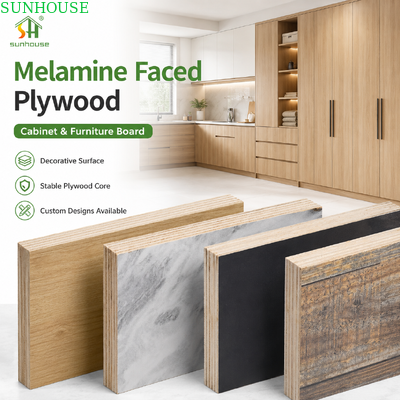
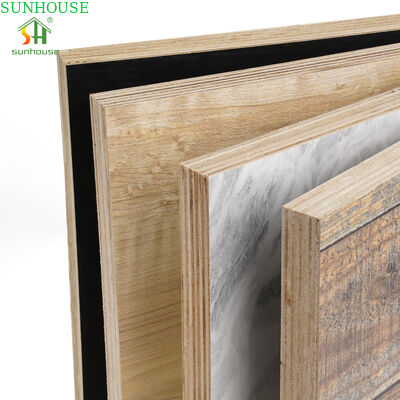
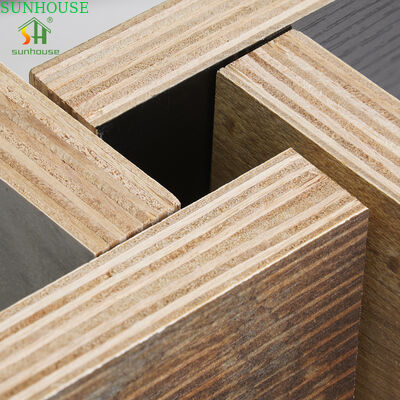
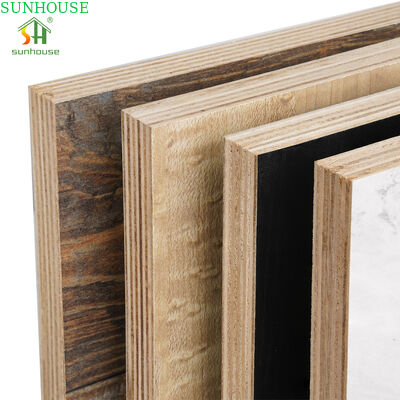
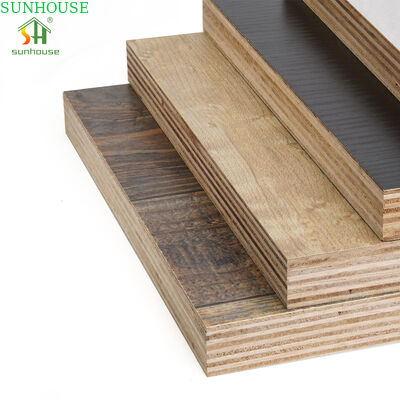
| Brand Name: | SUNHOUSE |
| Model Number: | ply-19 |
| MOQ: | 1000 |
| Payment Terms: | T/T |
Decorative plywood for cabinets and furniture is not selected only by thickness, surface color and plywood core. For many export markets, buyers also need to confirm whether the panel meets the required formaldehyde emission, documentation and project compliance requirements.
The important issue is not simply whether a supplier can provide a certificate. Buyers should confirm whether the available documentation matches the actual product, manufacturer, test method and destination market.
Importers often request E1, CARB, EPA, FSC or other documentation when sourcing plywood for cabinet and furniture production. However, these documents represent different requirements and should not be treated as interchangeable.
Some relate to formaldehyde emissions, some relate to destination-market requirements, while others relate to certified wood sourcing and chain-of-custody management.
Buyers should identify the destination market and project requirement first, then confirm the appropriate supporting documents before mass production.
Provides test results according to a stated test method and helps buyers evaluate formaldehyde emissions from the panel.
Commonly referenced by buyers sourcing applicable composite wood products for the California market and related furniture supply chains.
Relevant to applicable composite wood products supplied to the United States market.
Commonly referenced when buyers specify formaldehyde emission performance for interior wood-based panels.
Relates to certified forest-based material sourcing and chain-of-custody control rather than formaldehyde emissions.
Can provide physical, bonding, emission or other test information depending on the buyer's project requirements.
| Document | Main Purpose | Buyer Should Understand |
|---|---|---|
| Formaldehyde Test Report | Shows measured emissions according to the stated testing method. | The product and testing method should match the purchasing requirement. |
| E1 | Used to describe formaldehyde emission performance under the applicable standard. | It does not represent FSC certification or every destination-market requirement. |
| CARB Phase 2 | Relates to applicable formaldehyde requirements for regulated composite wood products. | It does not describe plywood appearance, core grade or decorative finish quality. |
| EPA TSCA Title VI | Relates to applicable US formaldehyde requirements for composite wood products. | It does not represent sustainable timber sourcing. |
| FSC | Supports certified forest-based material and chain-of-custody requirements. | It does not by itself provide a formaldehyde emission result. |
Professional buyers should review the supporting test report rather than relying only on general product claims such as low emission or environmentally friendly plywood.
A supplier may manufacture several types of wood-based panels, including plywood, MDF, particleboard and different decorative laminated products.
Buyers should therefore confirm which exact product is covered by the available testing or certification information before approving the bulk order.
| Item to Match | Why It Matters |
|---|---|
| Panel Type | Plywood, MDF and particleboard are different products and should not automatically share the same supporting document. |
| Core Construction | Different raw materials and adhesive systems can affect panel performance. |
| Decorative Surface | Finished melamine laminated panels should be clearly identified where required. |
| Manufacturer | The company information should correspond with the material being supplied. |
| Destination Market | Required documents and product specifications can vary by market and customer. |
Buyers should confirm which standard and testing method support the claimed emission level rather than relying only on a commercial grade name.
FSC relates to certified forest-based sourcing. It should not be treated as a formaldehyde emission test result.
A company-level certificate and an actual product test report provide different information and should be checked separately.
Buyers can request the corresponding standard, testing method and measured result when a specific formaldehyde requirement is important for the order.
This helps match the plywood specification, emission requirement and available supporting documentation to the customer's actual order.
Melamine decorative plywood is commonly used indoors for cabinet carcasses, wardrobes, shelving, storage furniture and interior joinery.
Buyers supplying residential, commercial or project furniture may therefore need to define formaldehyde emission requirements according to their destination market or customer specification.
| Cost Factor | How It Can Affect the Quotation |
|---|---|
| Adhesive System | Different emission requirements may require different raw material and production control. |
| Product Testing | Laboratory testing and documentation management can form part of qualified supply costs. |
| Certified Wood Material | Certified sourcing may have a different cost structure from conventional material. |
| Production Traceability | Some orders require more detailed batch and production documentation. |
| Destination Requirements | Different markets and projects may request different supporting documents. |
| Check Point | Better Documentation | Potential Risk |
|---|---|---|
| Product Name | Clearly corresponds with the purchased panel | Document relates to another board category |
| Company Information | Relevant manufacturer or applicant can be identified | Document cannot be connected to the supplied material |
| Testing Method | Standard and testing method are clearly stated | Only a general marketing claim is provided |
| Measured Result | Actual test result can be reviewed | Only terms such as low emission are shown |
| Document Coverage | Applicable product type can be clearly identified | One document is assumed to apply to every panel produced |
Professional sourcing of decorative plywood should separate panel quality, formaldehyde emissions, certified wood sourcing and destination-market requirements.
Instead of checking only certificate names, buyers should confirm what product is covered, which testing method is referenced and whether the documentation corresponds with the actual board being purchased.
Confirming these details before mass production can reduce documentation problems before shipment and make supplier comparison more accurate.
Send us your destination market, plywood core, panel thickness, decorative finish, furniture application and required emission information. Suitable product options and available supporting documents can be confirmed before bulk production.
Request Product Documents & Quotation

 english
 français
 Deutsch
 Italiano
 Русский
 Español
 português
 Nederlandse
 ελληνικά
 日本語
日本語
 한국
한국
 العربية
 हिन्दी
 Türkçe
 indonesia
 tiếng Việt
 ไทย
ไทย
 বাংলা
বাংলা
 فارسی
فارسی
 polski
